Naming a categoryinto existence.
CalmWave sold “alarm-reduction software.” What they’d actually built was much bigger. I led marketing for three years, gave the product a category of its own, and built the marketing function to sell it.
pipeline
on a site I built
discovery call
with the category story in the pitch
The situation · Healthcare AI without a category
When I joined, CalmWave had a product with no category. On paper, it fixed alarm fatigue in ICUs, a decades-old problem. In reality, it showed hospitals where their operations were breaking down, across clinical, IT, and admin teams.
The messaging hadn’t caught up. Discovery calls were 45 minutes of “so what do you actually do?” Pipeline was zero.
The diagnosis
It looked like a messaging problem. It was a category problem.
Without a shared story, everything moved slowly. The design said one thing and the roadmap another, and a single pitch deck took weeks of internal debate.
The work · Brand strategy, category design & leadership
I named a new category, Operations Health, and built one story that product, sales, and clinical teams could all use. Along the way I built the marketing function, ran our agencies, and worked with leadership on product and go-to-market.
Need the same clarity for your company? Explore brand strategy and positioning consulting →
Category thesis
What the problem is, what we replace, and why now. The one story product, sales, investors, and clinical partners all worked from.
Narrative architecture
Messaging for clinicians, ops leaders, the C-suite, and investors. Four ways in, one story.
Strategic constraints
House rules: no jargon, no clinical taboos, no vague outcomes. Enforced across 50+ deliverables and adopted by the whole leadership team.
Visual identity
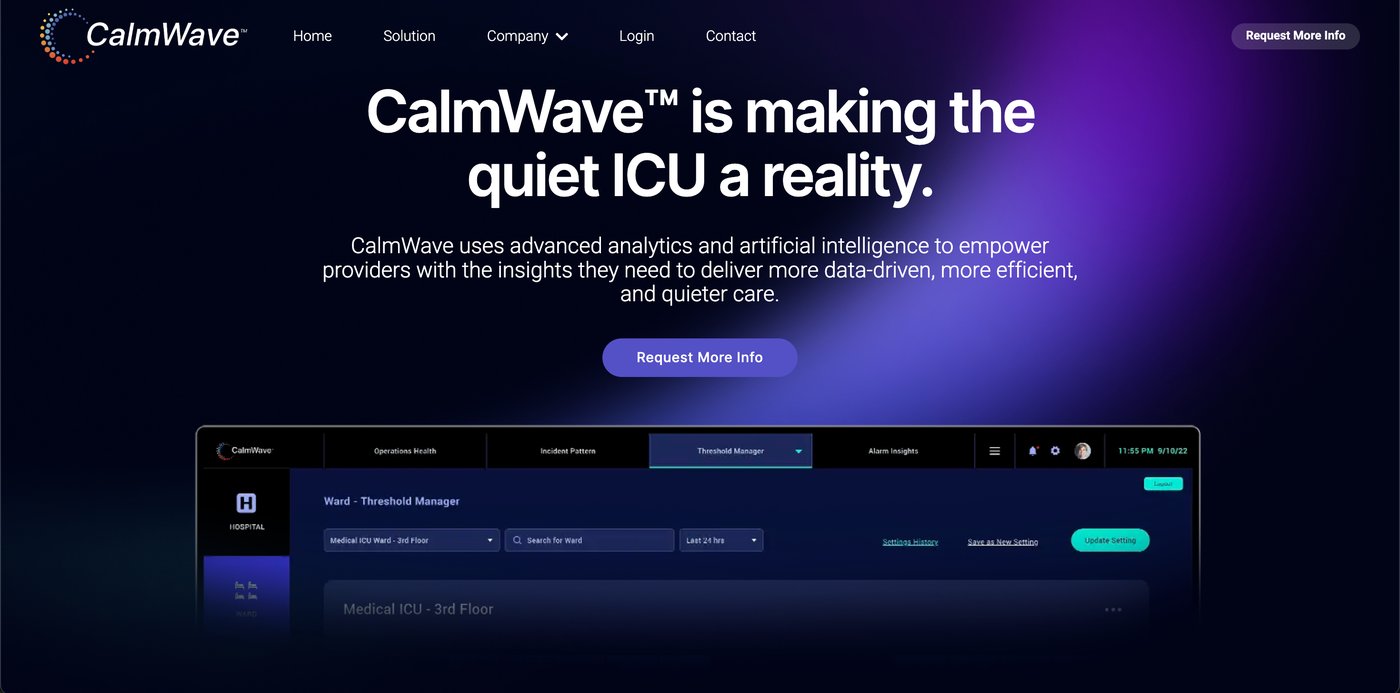
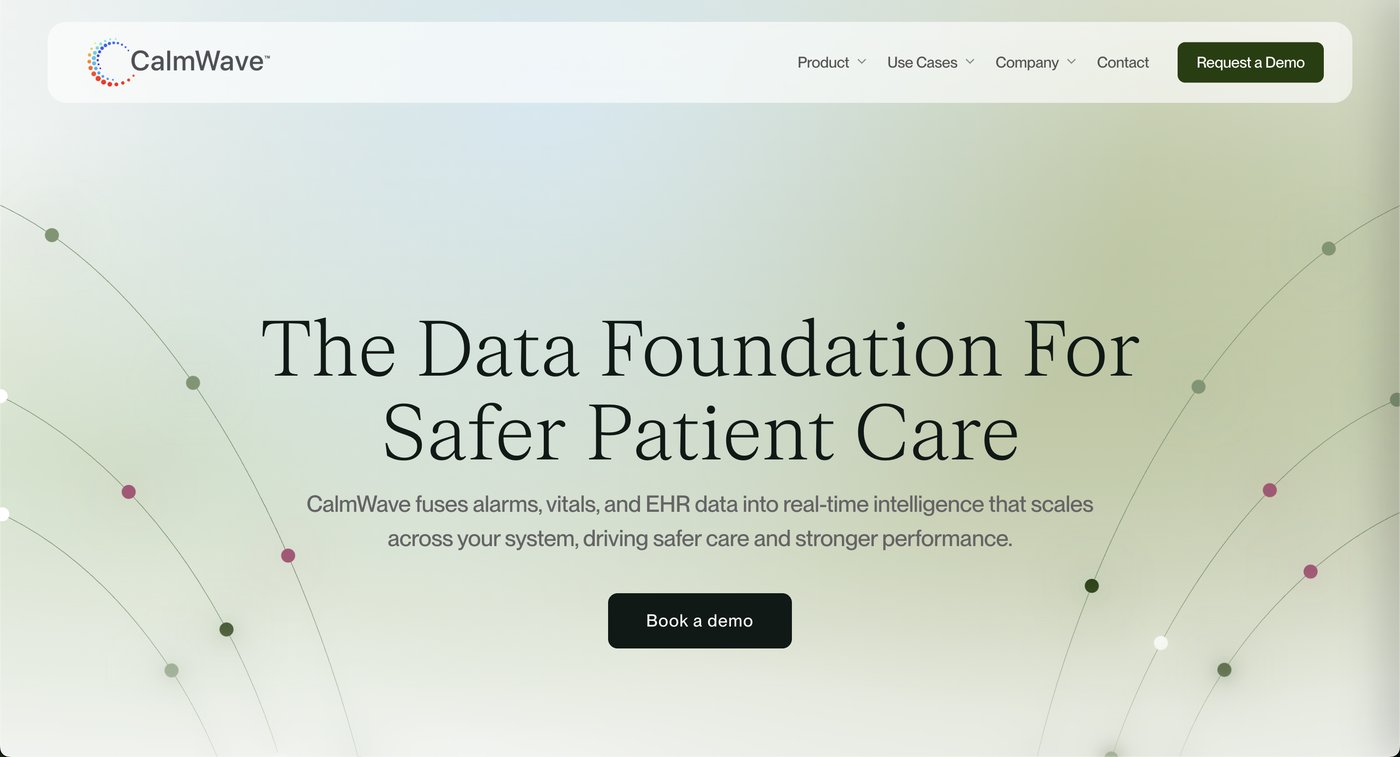
A full rebrand with agency partners: new identity, design system, and two website builds, with as much hands-on technical work as creative direction.
Product integration
A seat at the roadmap table. The category shaped what got built next, from alarms to device management to the data foundation to safety systems.
Thought leadership
Ghostwritten CEO pieces in Forbes, Fast Company, GeekWire, and Inc., plus events people actually remembered, including a custom card game.
AI-powered ops
Eight specialized AI tools that kept a lean team on-message, from research to measurement.
Executive & people leadership
Building the function behind the brand
As CalmWave’s founding marketing leader and a member of its executive leadership team, I reported directly to the CEO before the reporting structure evolved. I helped shape company priorities while building the marketing organization, exercising hiring authority, developing team members, managing agency partners, and directing marketing investment. The category strategy was not an isolated creative exercise; it informed product, sales, and go-to-market decisions.
Marketing programs generated $174.5M in marketing-sourced pipeline during my tenure. That is a marketing-sourced pipeline figure—not a claim that marketing alone produced the company’s results.
Why I love this work
The hardest brand problem is creating a category before anyone knows it exists. You have to see what the product really is before the company can say it, then make the story hold everywhere: identity, product, sales, culture.
It’s my favorite moment in a company’s life: when it has outgrown its old story but hasn’t earned the bigger one yet.
See how I work with clients →, or my background →. Hiring, or have a project? Let’s talk →
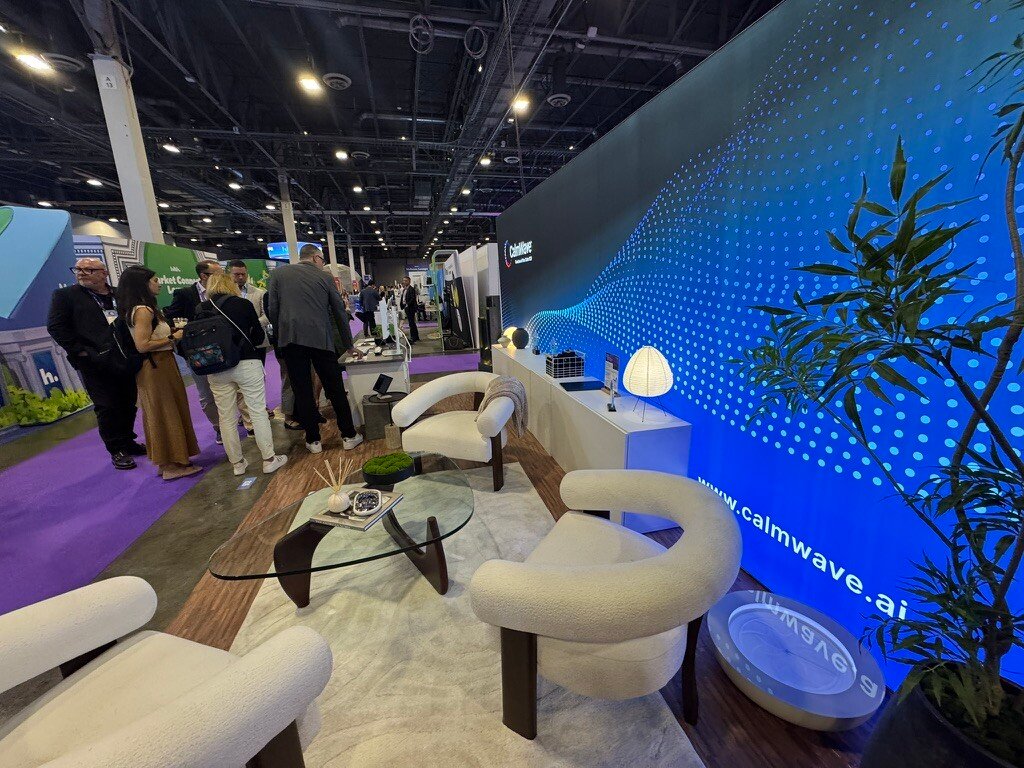
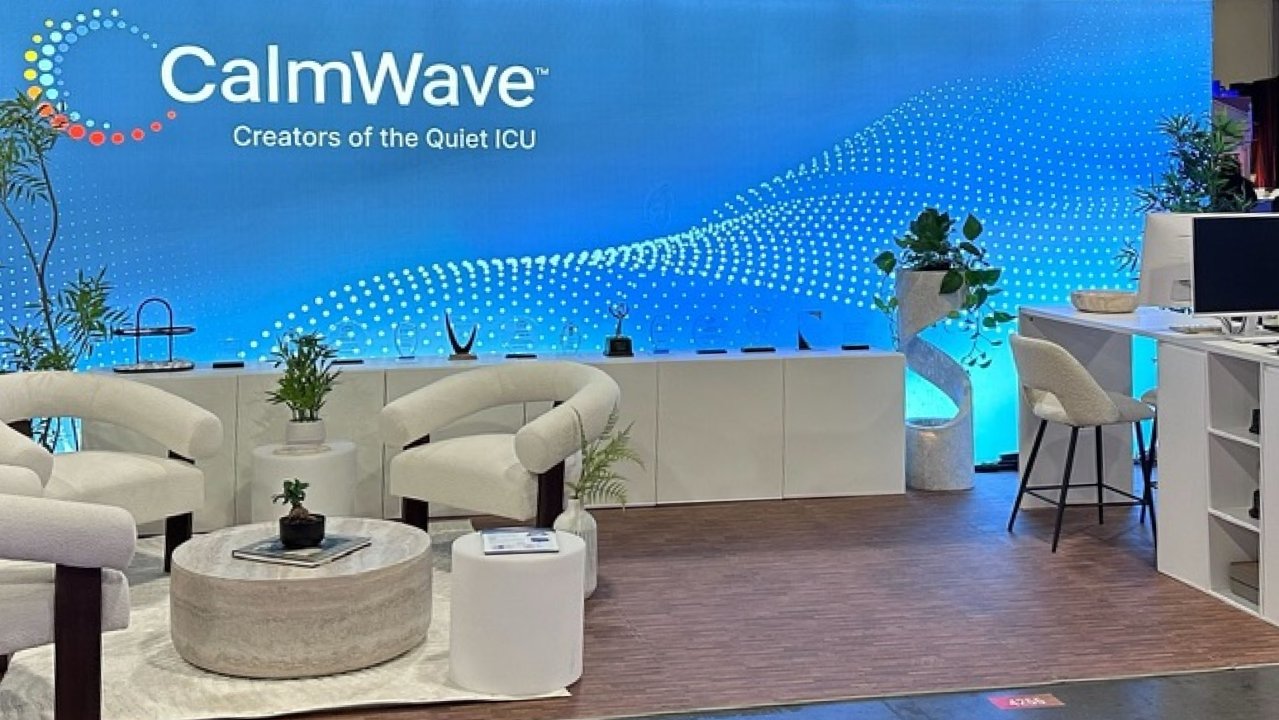
Rather than the standard clinical expo booth, we built a living room: residential furniture, live plants, a moss garden, signature scent. A leader from IDEO called it their favorite booth at the conference.