Consulting · For startups & growing companies

Brand strategy & positioning consulting

For when the story stops working.

Buyers misread what you sell. Sales and marketing tell different stories. The product has outgrown the frame it launched with. These are positioning problems, and they get more expensive the longer they run.

Positioning sprint 4–6 weeks · Category & narrative system 6–10 weeks
Seed through growth stage · Remote, based in Walnut Creek, CA

45 → 20 min
Result · CalmWave, healthcare AI

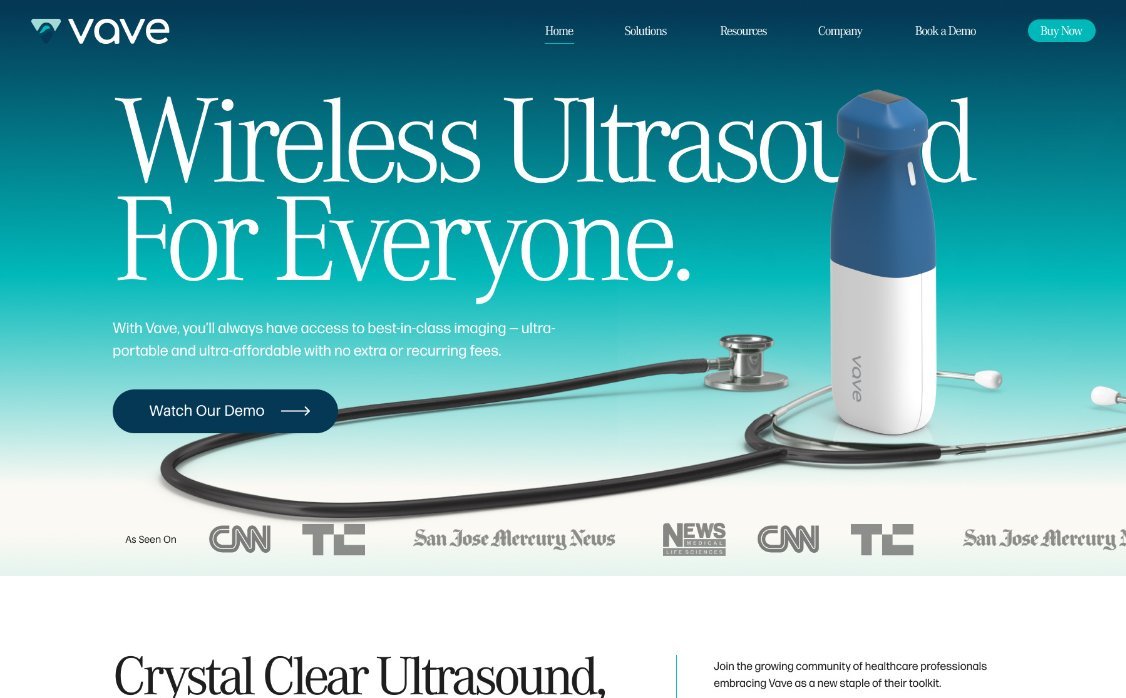
Discovery calls went from 45 minutes of “so what do you actually do?” to 20, once buyers understood what CalmWave was. The fix wasn’t better copy. It was a new category, Operations Health, and one story sales could tell.

Read the CalmWave case study →
01 / When companies bring me in

It looks like a messaging problem. It's usually a positioning problem.

Most teams call when something downstream breaks: a deck that won't come together, a website nobody likes, a sales cycle that drags. Those are symptoms. These are the situations behind them.

01

Buyers misunderstand what you sell.

Prospects file you in the wrong category, compare you to the wrong competitors, or open every first call with “so what do you actually do?” Your team spends the meeting explaining instead of selling.

How CalmWave fixed it →


02

Sales and marketing tell different stories.

The deck says one thing, the website another, and product uses its own vocabulary. Everyone is working hard. Nobody is working from the same story, so every launch starts from a blank page.

Why your messaging feels disconnected →
03

You've outgrown your positioning.

The product deepened, the customer base expanded, and the brand still describes the company you were at launch. Sales keeps explaining what the website leaves out.

When your product outgrows your brand →
04

Your positioning exists but decides nothing.

There's a positioning doc. It's clear enough to agree with and broad enough to justify anything, so each team reads it the way that suits its own goals.

Why most positioning fails to drive decisions →
05

You sell to buyers who want different things.

Two markets, two buyers, or a user who isn't the one signing. One broad, inspirational message tries to reach all of them and lands with none.

How Ekso told two stories under one brand →
06

You're raising or relaunching.

A new round, a new market, or a legacy product getting a second life. The story that got you here won't carry the next stage, and investors and buyers can tell.

What changes between pre-seed and Series A →
02 / The engagement

Two ways in. The same rigor.

Most companies start with a Positioning Sprint. Companies creating a category, or rebuilding the story across every team, need the full system. Either way, you work directly with me, not a junior team.

4–6 weeks

Positioning Sprint

Answers what you are, who it's for, and why you win. The fastest path from ambiguity to a position your team can make decisions with, and a story sales can use the following week.

For seed to Series B companies with a clear product and an unclear story, and teams heading into a raise, a launch, or a website rebuild.

6–10 weeks

Category & Narrative System

Everything in the sprint, plus the narrative architecture that governs messaging, product storytelling, and sales enablement across the company, so the story holds without me in the room.

For companies creating or redefining a category, selling to several audiences, or realigning sales, product, and marketing after fast growth.

Need someone to own the story once it's built? Fractional brand leadership picks up where the engagement ends.

How the work runs

01 / DiagnoseWeeks 1–2
Interviews with leadership, sales, and product. Conversations with customers, and lost deals where we can get them. A review of your sales calls, deck, website, and competitors. The first question is whether you have a messaging problem or a positioning problem.
02 / DecideWeeks 2–4
Working sessions with your leadership team to choose the frame: the category, the priority buyer, the point of difference, and what you'll stop claiming. Positioning only governs when it rules things out.
03 / ArchitectWeeks 3–6, or 3–10
Turn the decisions into the system your company works from: messaging by audience, the proof behind every claim, and, in the full system, the narrative architecture and house rules that keep the story consistent.
04 / Hand offFinal week
A working session with the teams who'll use it, and the story applied where it matters first: the pitch narrative, the homepage, and the first-call talk track.
03 / What you walk away with

Decisions your team can build on, not a deck that sits in a drive.

✓ included · — not included
DeliverableSprintSystem
Positioning frameworkYour category, priority buyer, point of difference, and the claims you won't make.✓✓
Messaging by audienceThe story for each buyer, user, and investor, all built on one spine.✓✓
The story, appliedPitch narrative, homepage messaging, and a first-call talk track your team can use right away.✓✓
Team rollout sessionA working session with sales, marketing, and product so the story leaves the leadership team.✓✓
Category thesisWhat the problem is, what you replace, and why now. The argument investors, buyers, and partners all hear.—✓
Narrative architectureThe shared logic that governs messaging, product storytelling, and sales enablement across the company.—✓
Proof frameworkThe evidence behind every claim, mapped to the audience that needs to hear it.—✓
Strategic constraintsHouse rules for language and claims, so the story stays consistent across every deck, page, and launch.—✓
04 / Positioning work I've led

Same problems, different companies.

Some of this work I did as an embedded executive, some as a consultant. The situations were the ones above.

05 / Further reading

How I think about positioning.

06 / FAQ

Questions founders ask.

What does a brand strategy and positioning consultant do?+
Helps a company decide what it is, who it's for, and why it wins, then turns those decisions into one story every team can use. The output is decisions, not slogans: the category you compete in, the buyer you prioritize, and the claims you'll make and won't. For the broader role, see what a brand strategist actually does.
What's the difference between positioning and messaging?+
Positioning is the strategic decision: who you're for and why you win. Messaging is the language that expresses it. Confusing the two is why so many companies have polished messaging with no position underneath it.
When should a startup invest in positioning?+
When the story starts costing you: long discovery calls, deals lost to “no decision,” a deck rewritten for every meeting, or investors repeating back the wrong thing. The cheapest time is before a raise, a launch, or a website rebuild, not after.
Can't we do positioning ourselves?+
Many teams try. The hard part isn't the framework. It's choosing: someone has to make trade-offs that each team, reasonably, would rather avoid. An outside lead can force the decision and has no function to protect.
Do you also design the brand identity and website?+
Positioning comes first, and it's what this engagement delivers. If you need naming, identity, or a website afterward, I can lead that as a separate brand creation project or direct your designers and agency. See all services.
How much does positioning consulting cost?+
Pricing is proposal-based, and three things move the fee: how many audiences the story has to serve, how much research it takes (customer and lost-deal interviews, sales call reviews), and how far the story is applied across sales and marketing, from a pitch narrative to homepage, talk tracks, and team enablement. A Sprint for one priority buyer sits at the lower end; a System covering several audiences with full rollout sits at the higher end. After a 30-minute conversation, you’ll get a proposal with the scope and fee spelled out.
Do you work with companies outside the Bay Area?+
Yes. I'm based in Walnut Creek, California, and work with startups and growing companies across the US. Interviews and working sessions run over video, with in-person sessions in the Bay Area when they help.