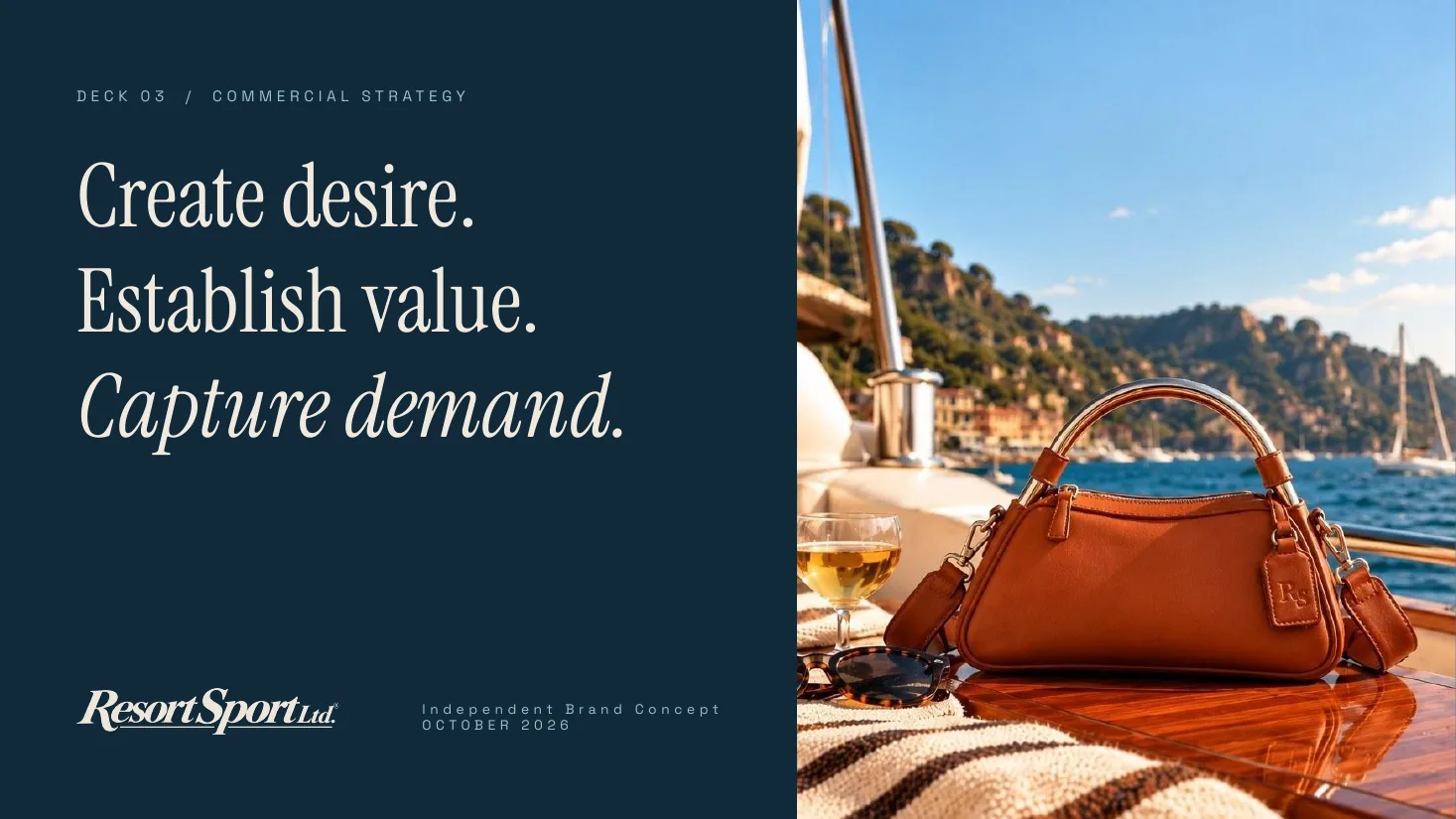
Create desire.Establish value.Capture demand.
An unknown accessories label, a $695 hero bag and no reputation to borrow. I built the brand, the product line and the launch plan around one question: how does a new name earn the right to charge established-brand prices?
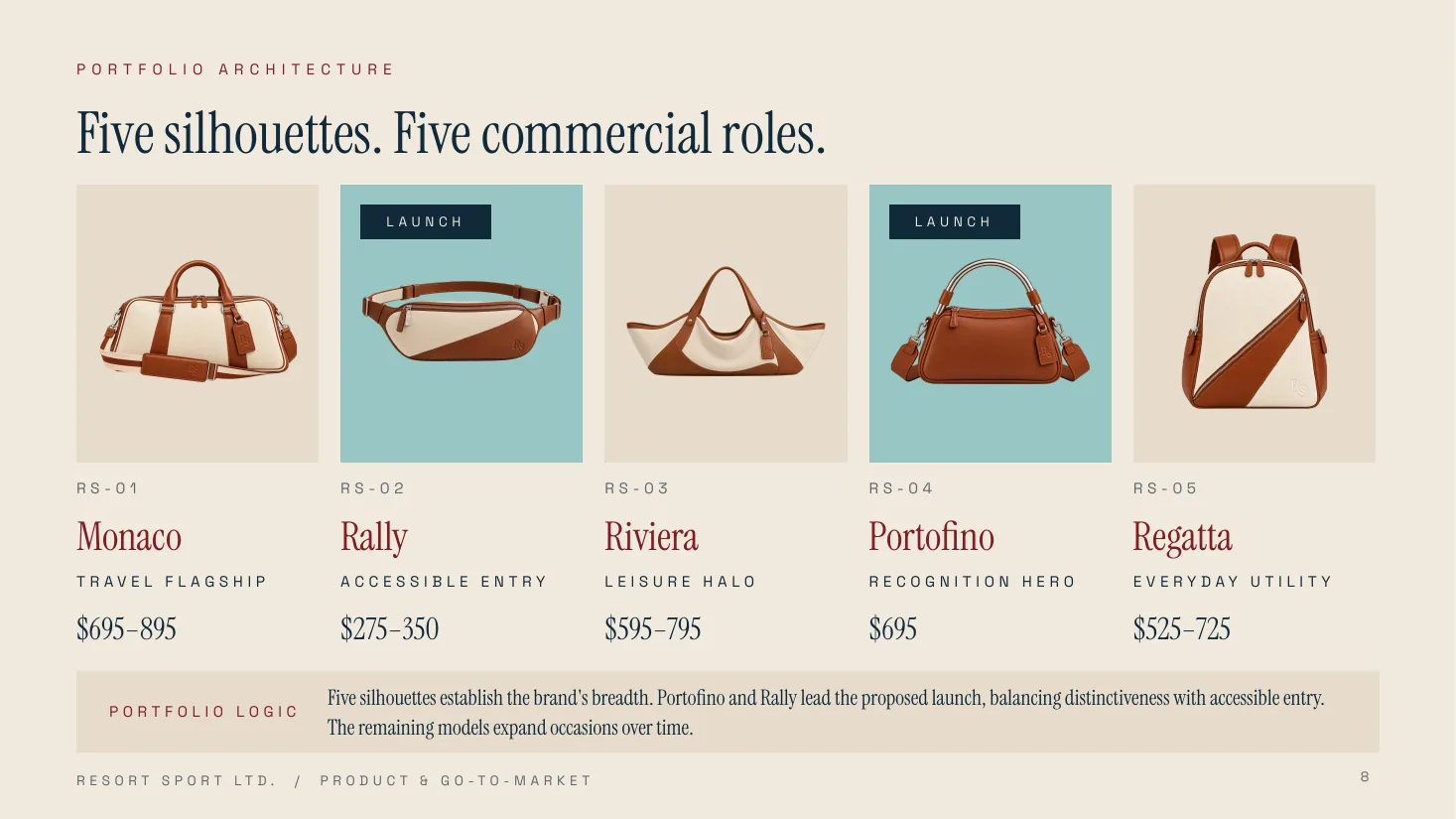
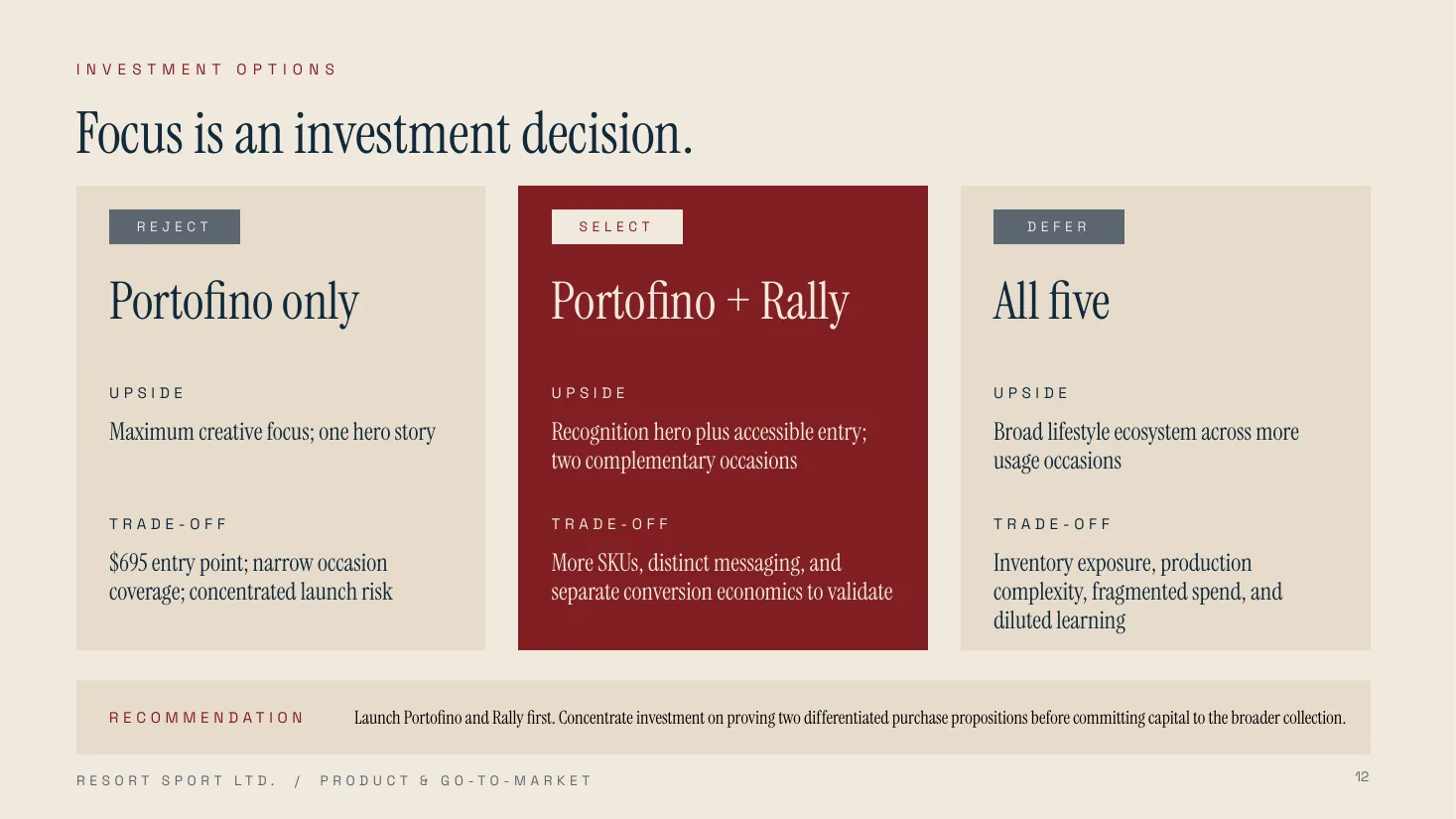
two chosen to launch
to six launch SKUs
recognition hero
capital is committed

“The art of being off duty.”
The brief
Resort Sport Ltd. is a brand I created from scratch: a leisure-led leather-goods label built on one platform, the art of being off duty. It's a self-initiated concept, developed across three decks (brand strategy, brand guidelines, product and go-to-market) and a working launch site.
The go-to-market deck had to settle three questions at once. The business question: how does an emerging label become a credible alternative to Polène, Mansur Gavriel, Cuyana and DeMellier? The product question: which bags lead the launch? The marketing question: how does a world of leisure turn into qualified discovery, confidence and conversion?
The thesis
Premium buyers will take a chance on a new name for a distinctive design. They stall when they can't verify the quality behind it. At $695 with no brand history, design alone gets the click and loses the sale.
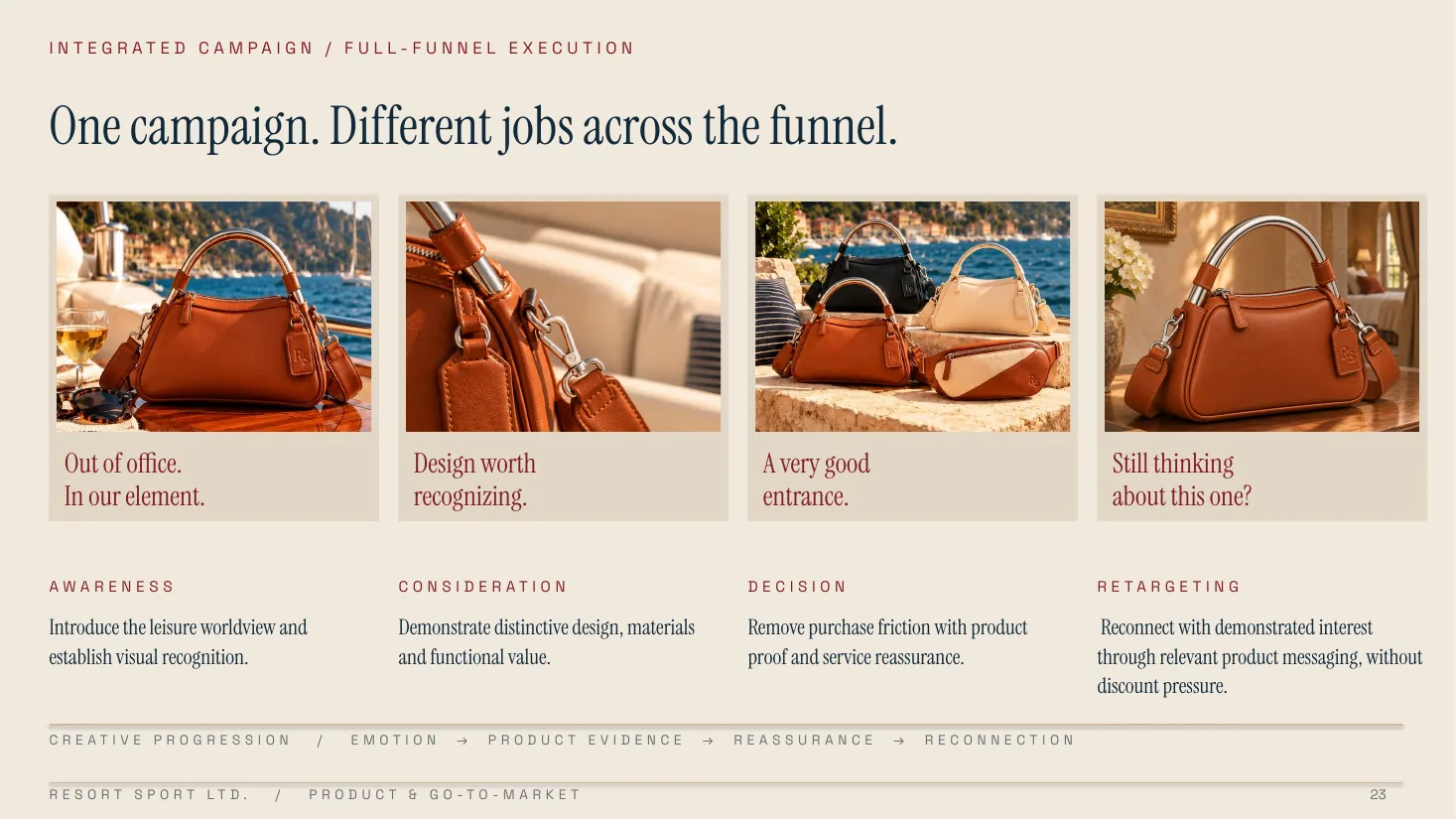
That split organized the plan into three engines. Desirability: recognizable silhouettes and an editorial world worth entering. Credibility: material clarity, design details and low-friction product evidence. Accessibility: an intentional entry product and clear value at every price tier.
The work
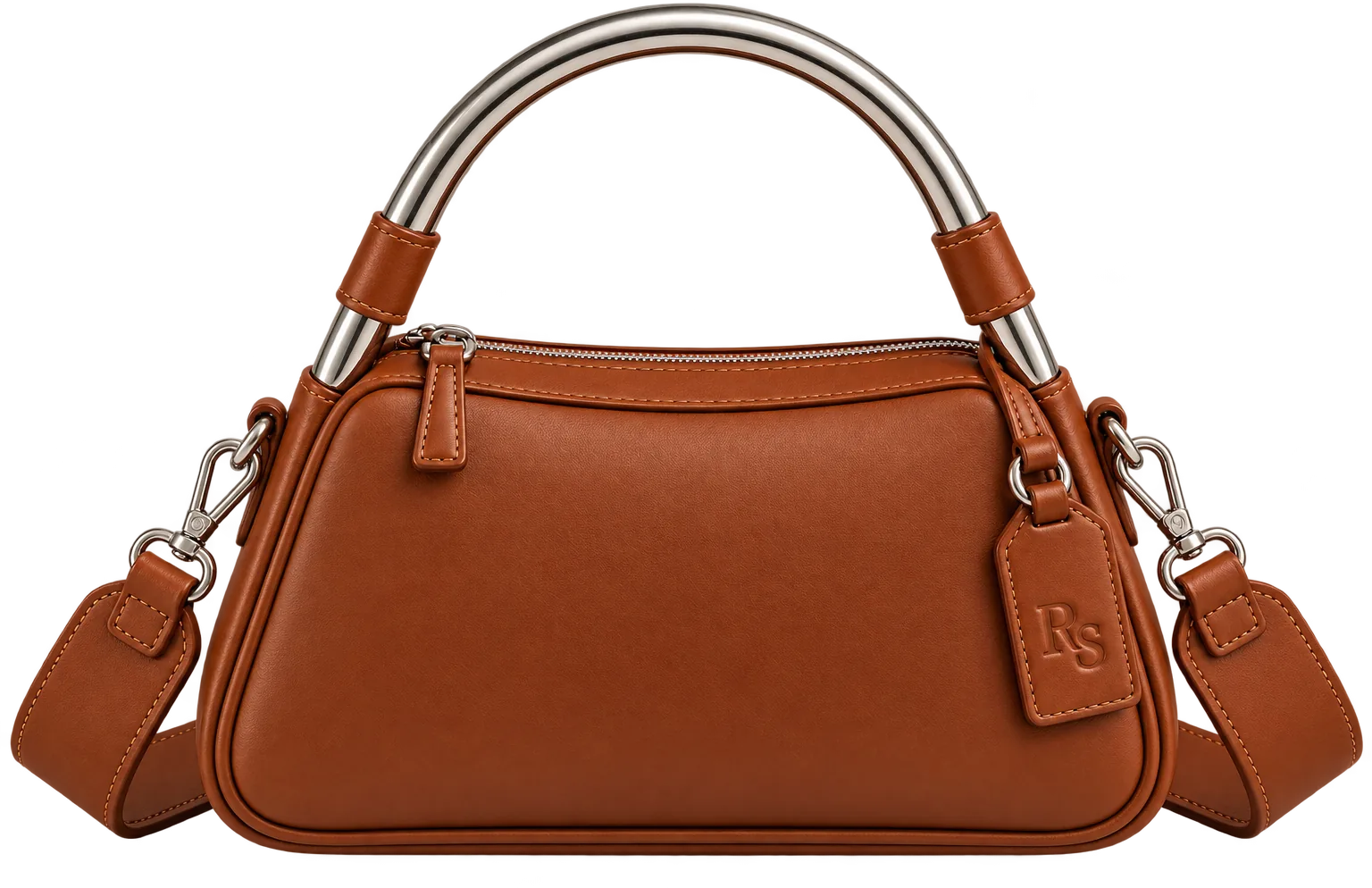
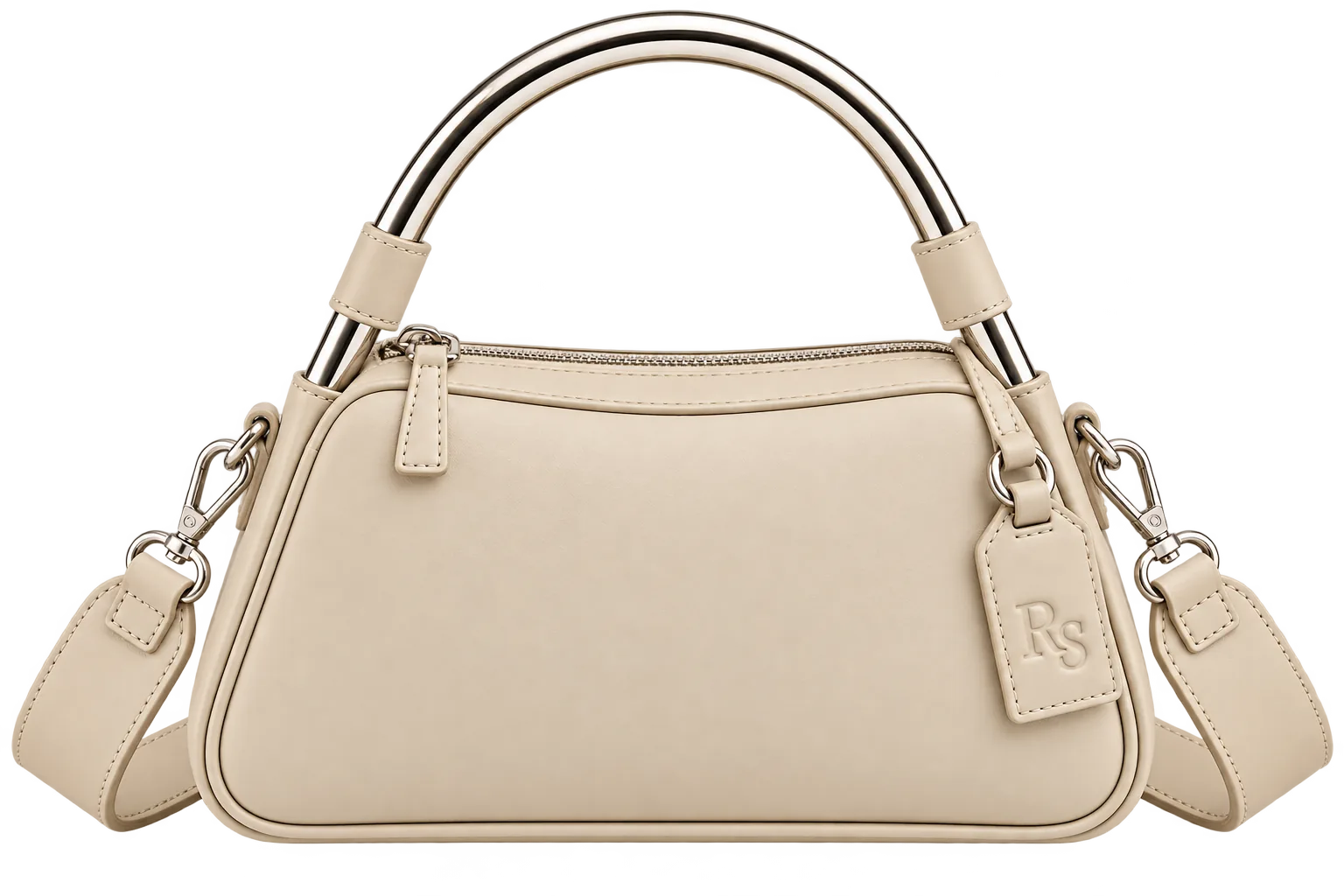
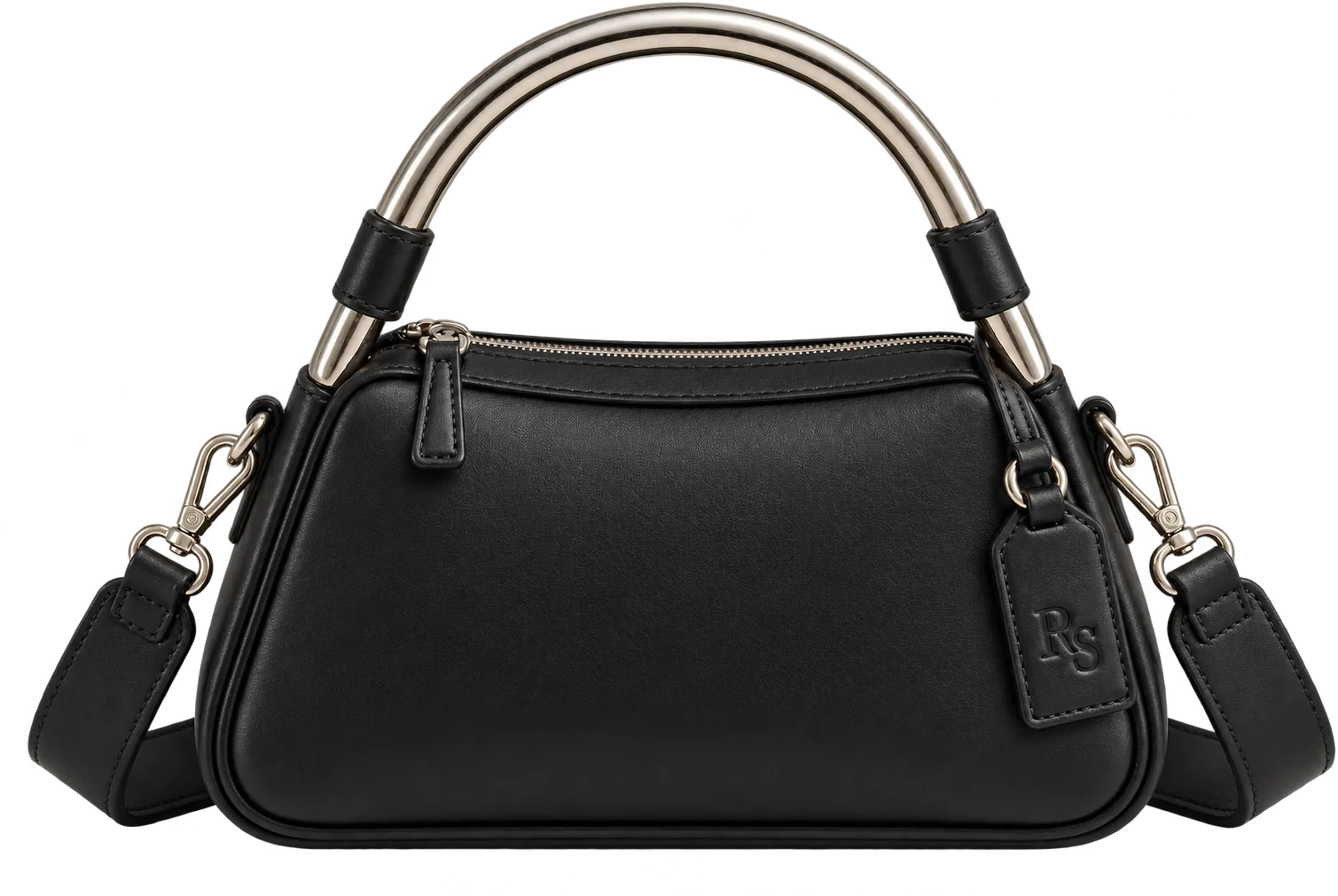
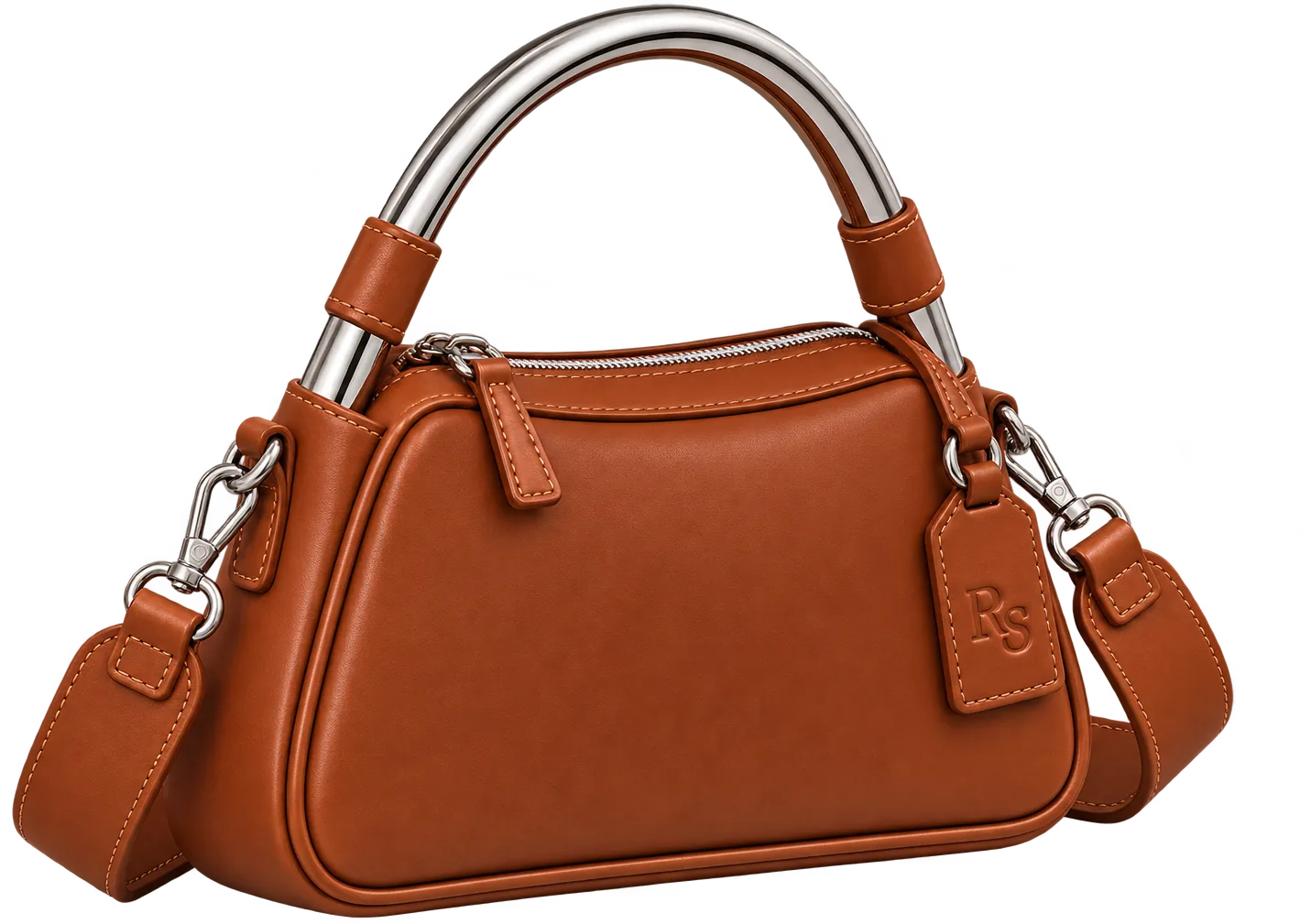
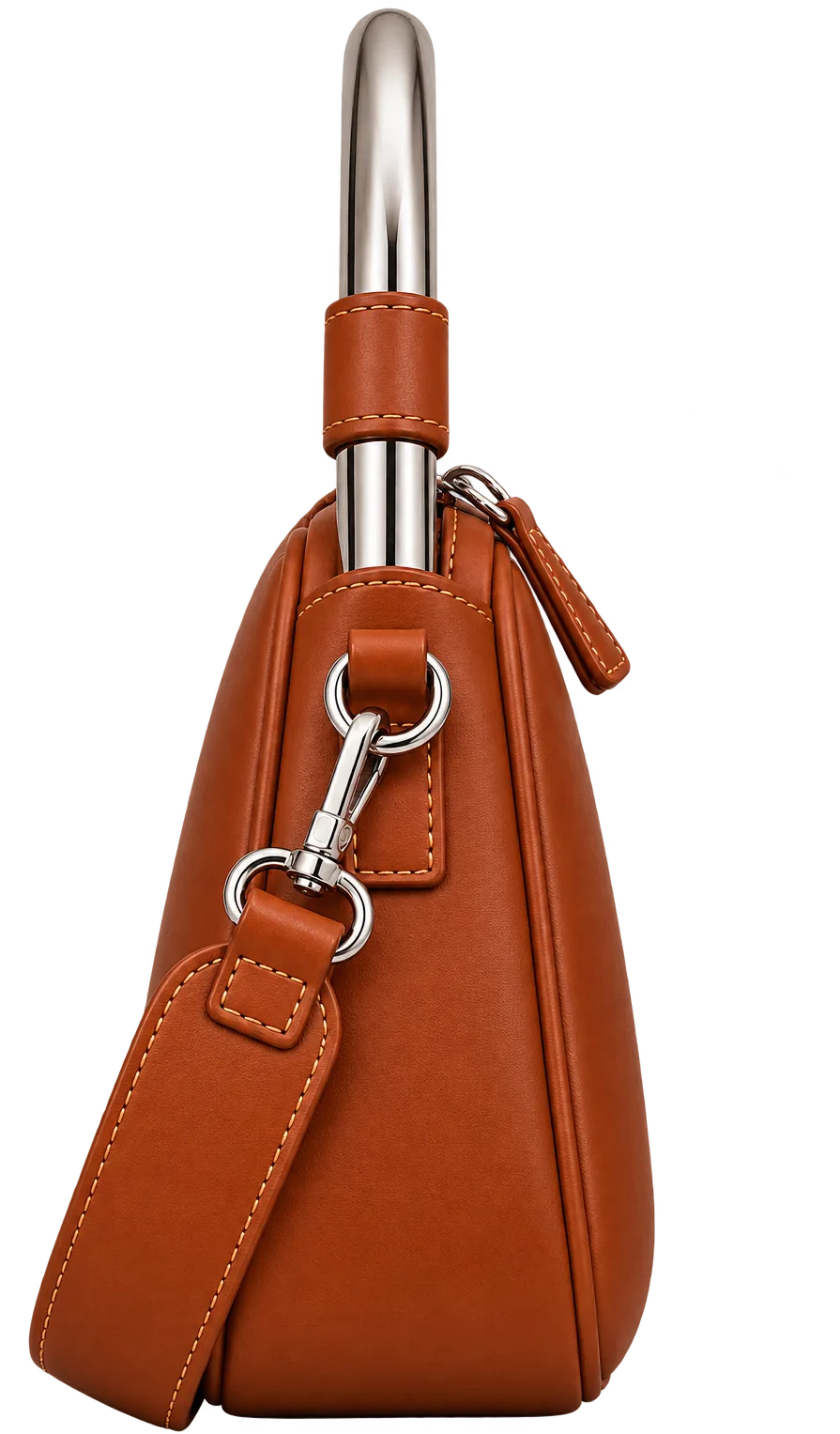
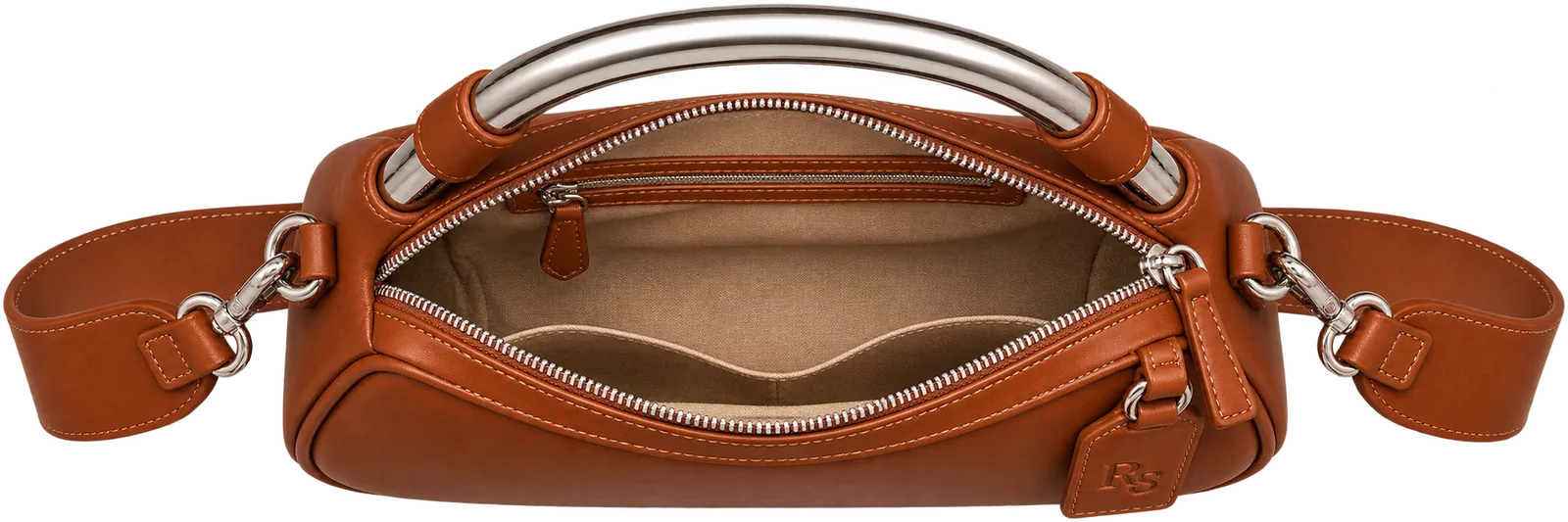
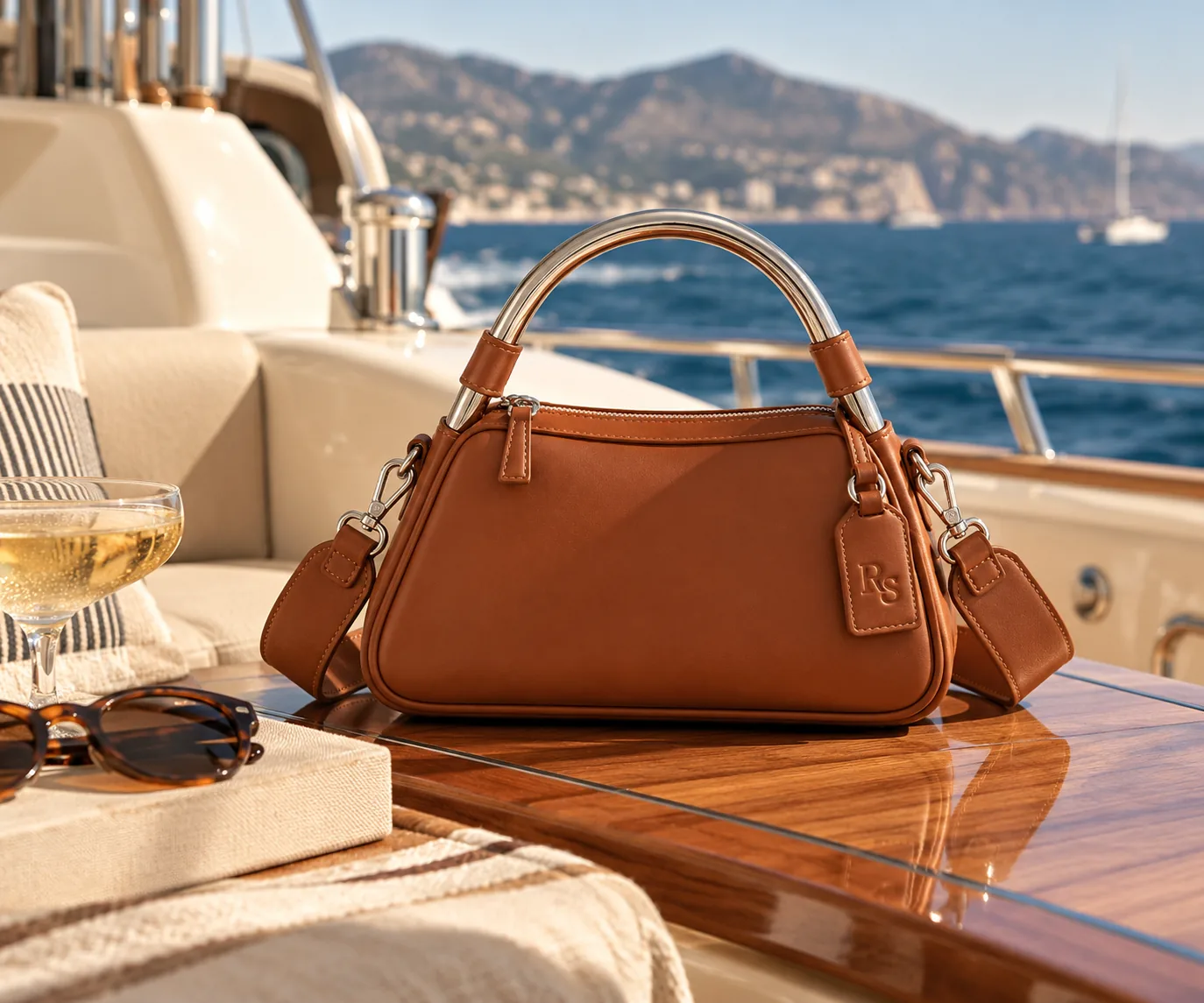
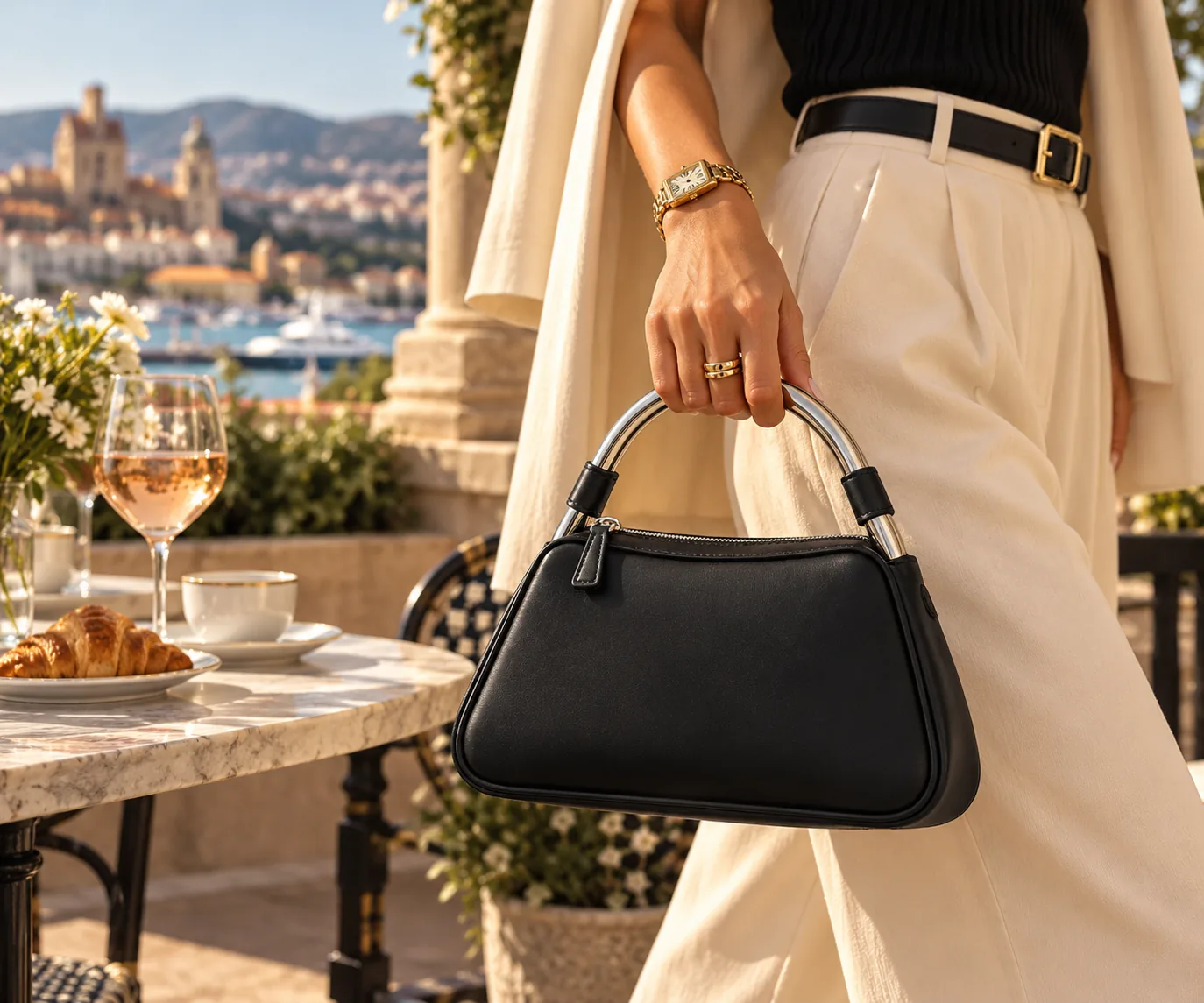
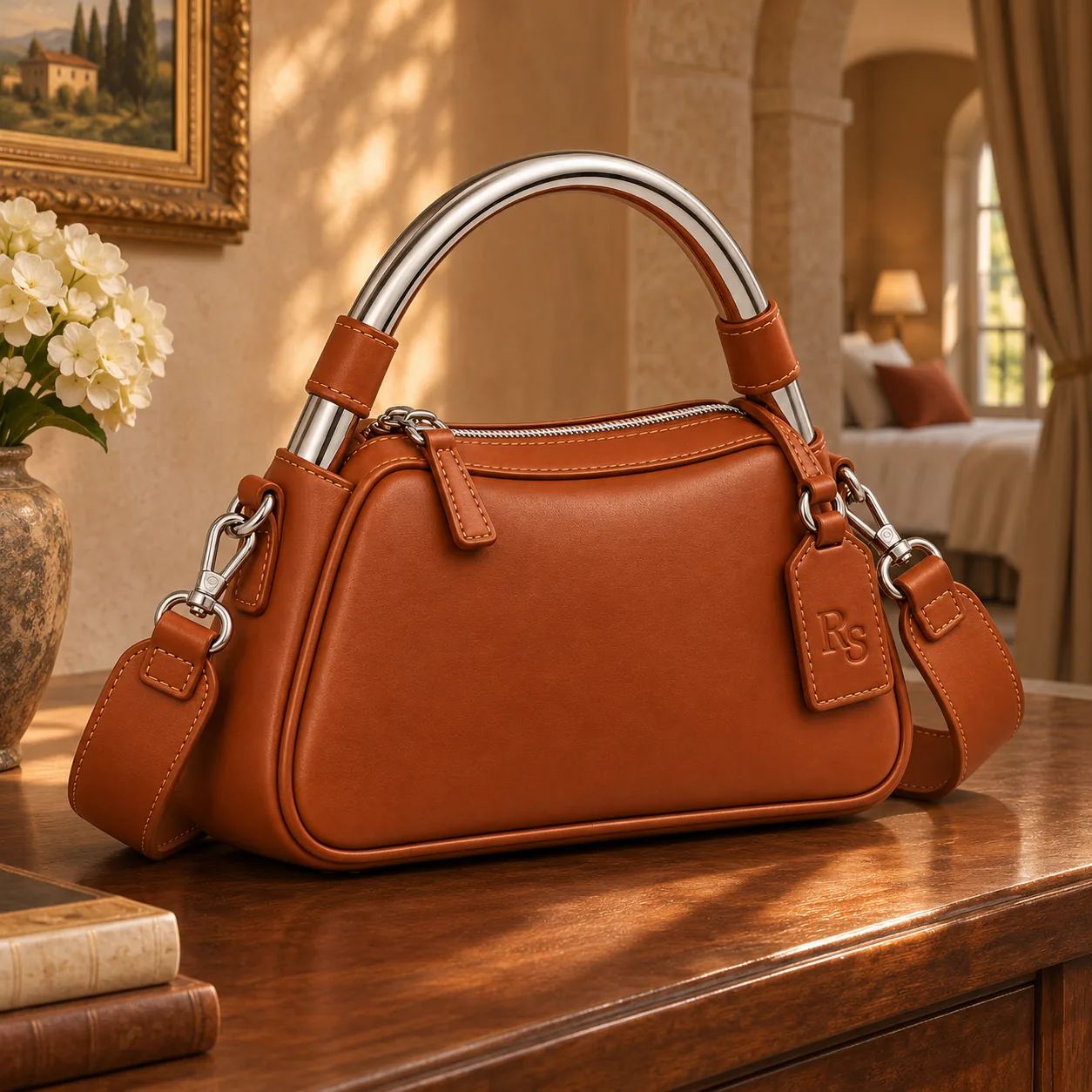
The Portofino (RS-04) is the recognition hero: a polished aluminum arch handle, a secure top zip and a detachable strap. Three colorways at launch, all $695.

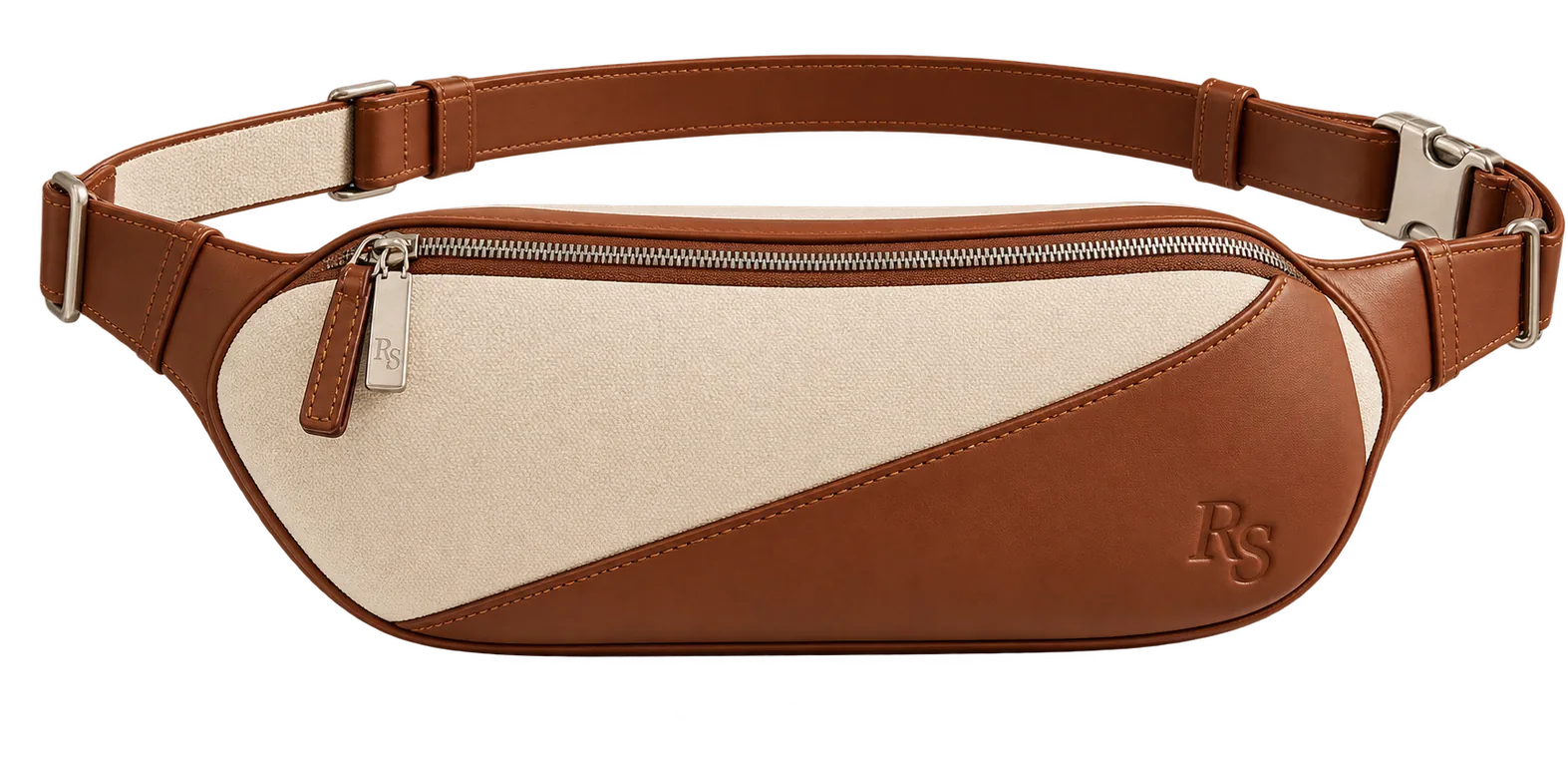
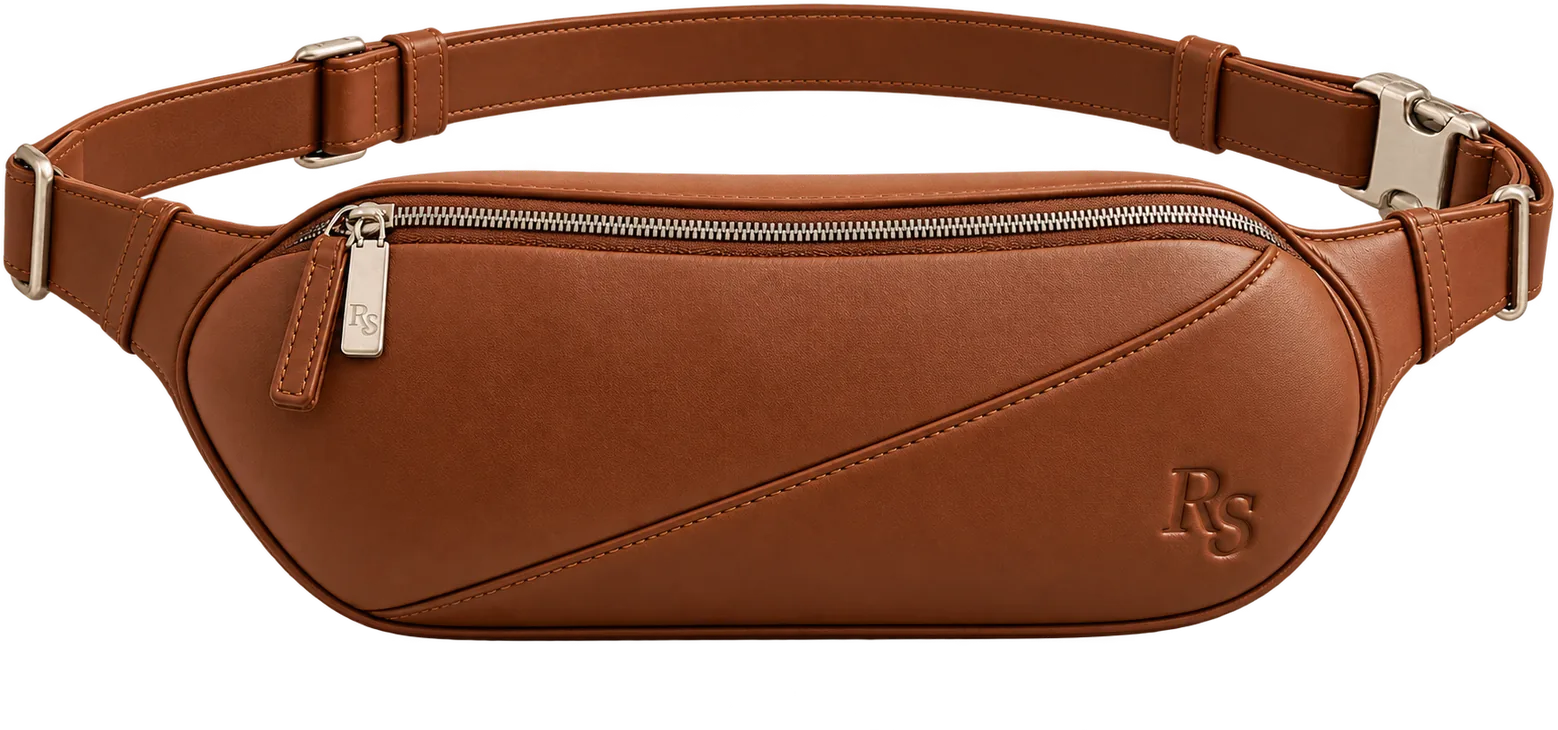
The Rally (RS-02) is the entry: hands-free, a low aerodynamic profile and a sweeping seam. Heritage canvas at $275; Cognac and Nero leather at $350.
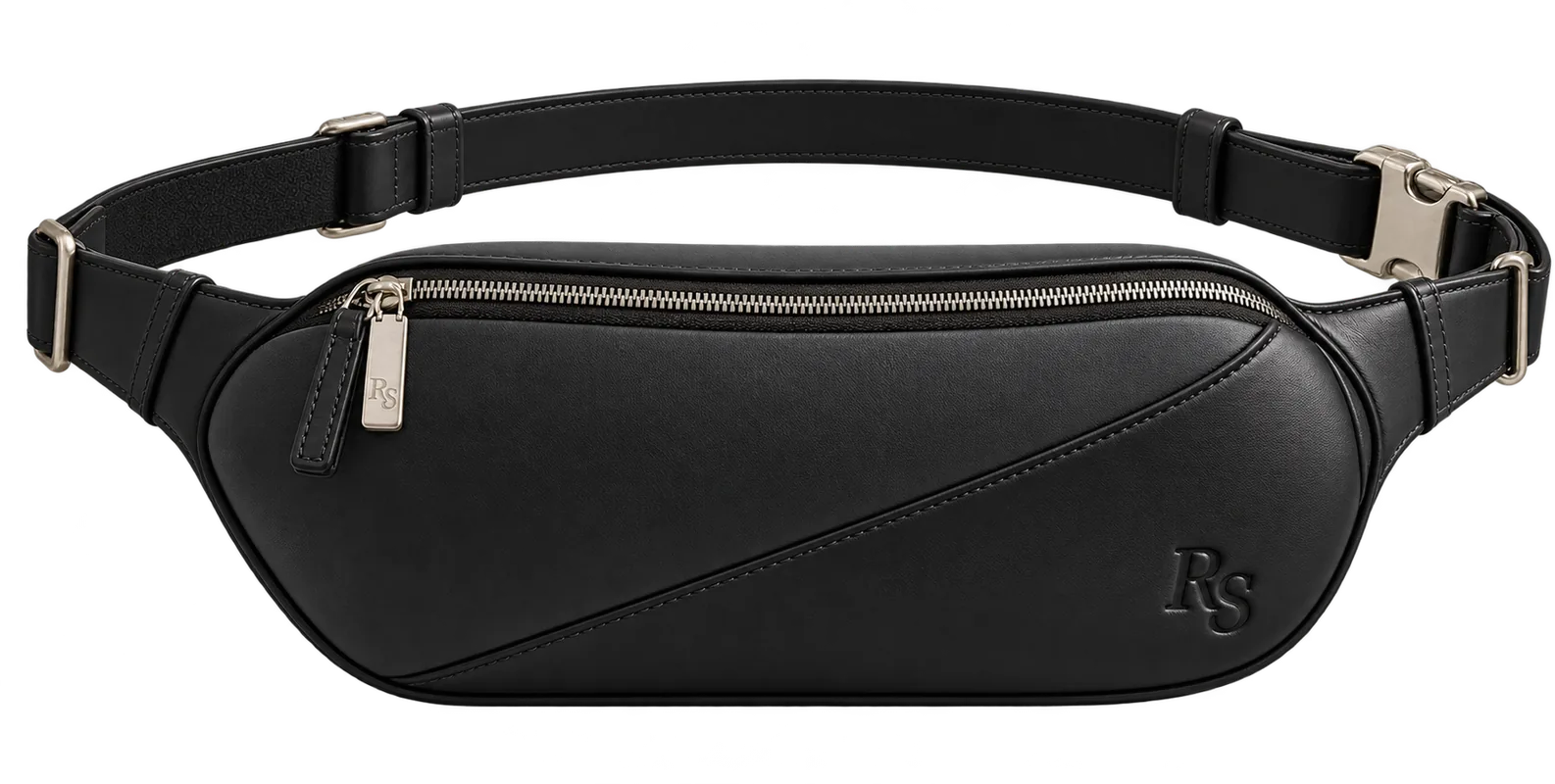
“Hands free. Plans optional.”
Leisure as the worldview, the product as the proof. Every scene puts the bag where time off happens: on deck, at a café table, on a terrace above the harbor.

The model
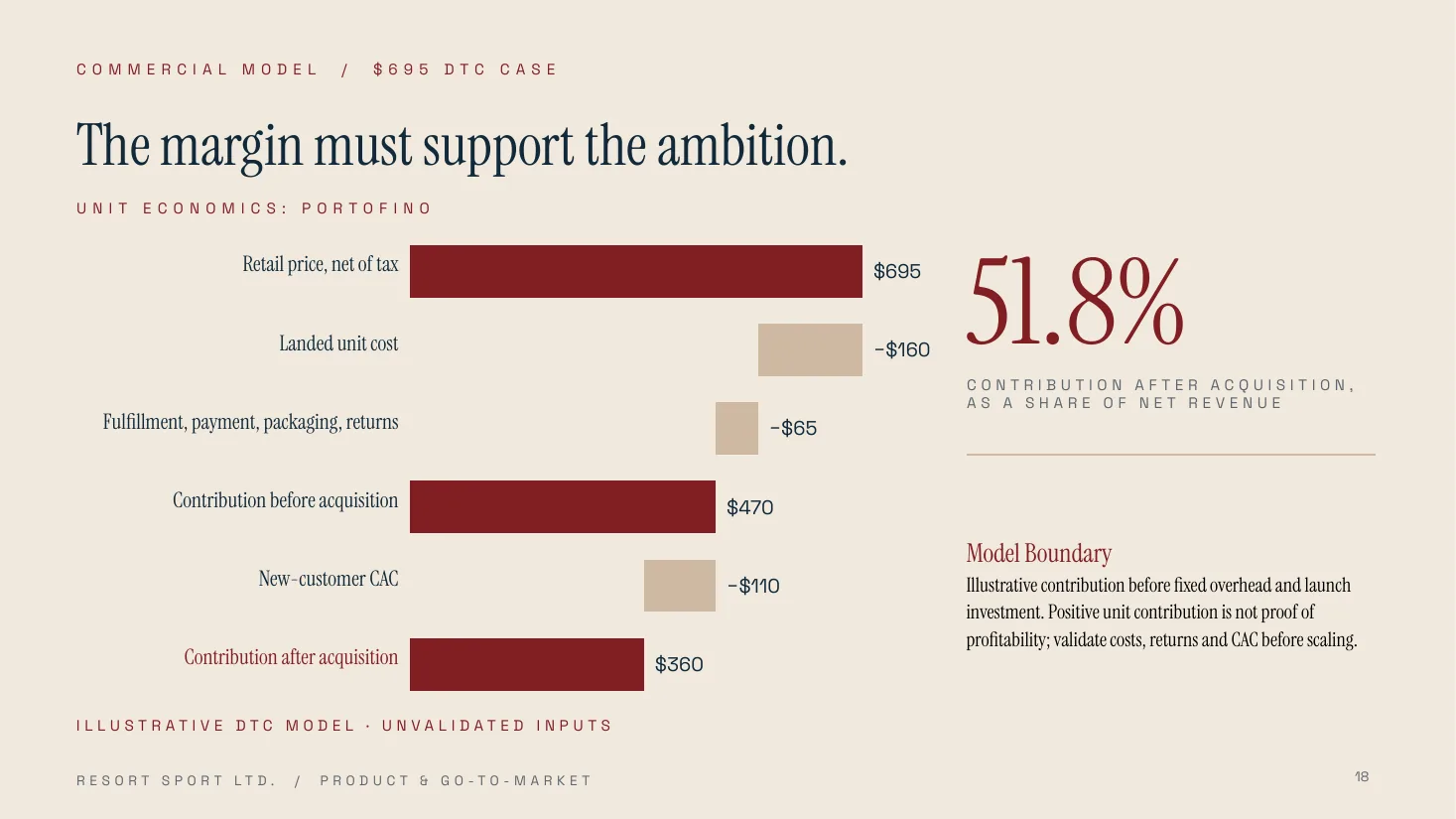
A premium price only works if the unit economics agree with it. I modeled the Portofino as a $695 direct-to-consumer sale, through to contribution after customer acquisition.
Illustrative DTC model · unvalidated inputs · before fixed overhead and launch investment
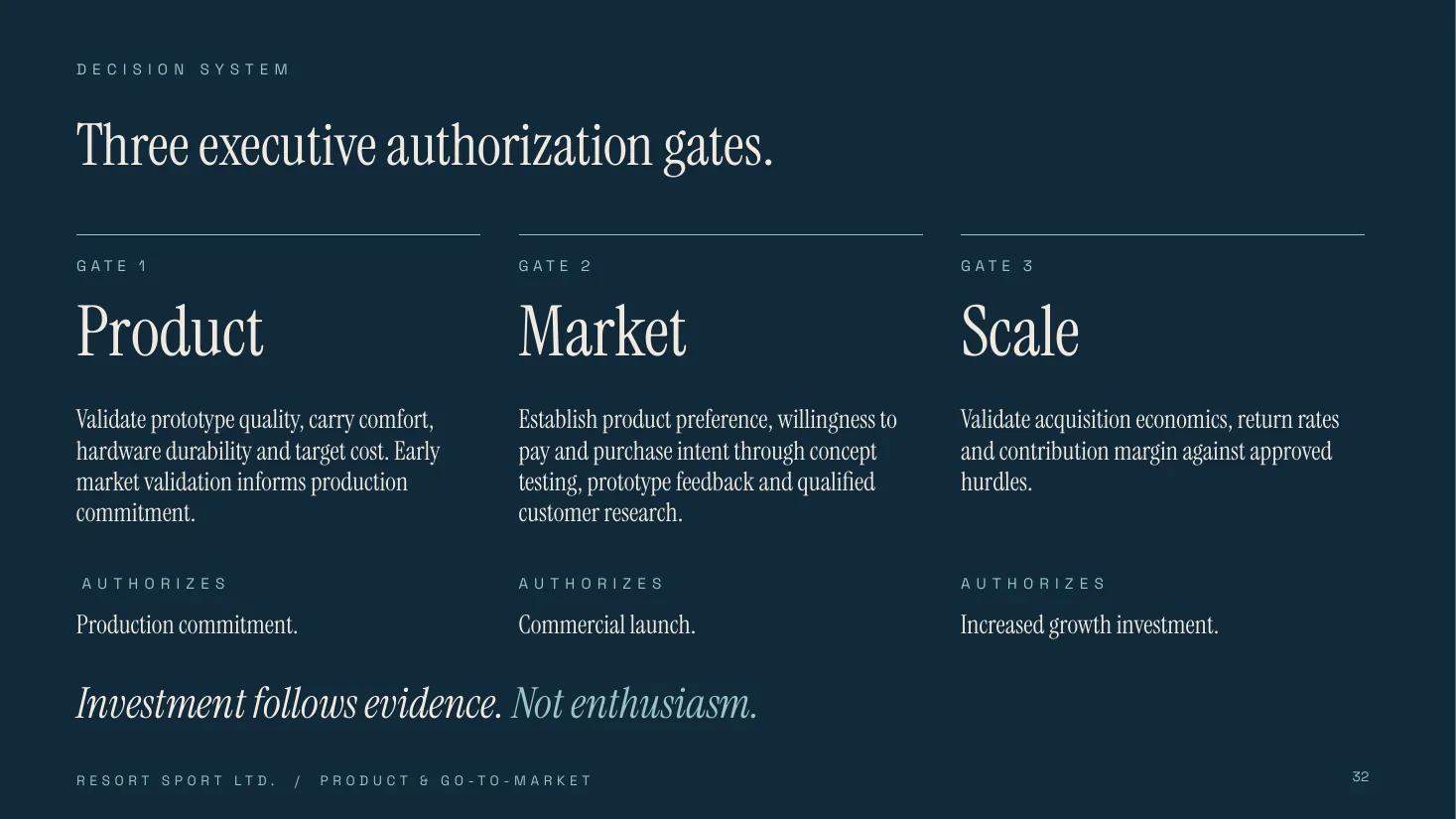
Continue controlled testing; validate assumptions.
Review sourcing and construction before commitment.
Pause paid scaling; improve acquisition efficiency.
Hold expansion; reassess product and channel economics.
The model's real output is the decision rule. Positive contribution is necessary and still falls short of proof. Scale waits for validated margins above an approved hurdle, with fixed costs assessed separately.
What this demonstrates
Most brand work stops at the message. This project carries it through product requirements, assortment, pricing, unit economics and launch governance, so the story and the business case come out of the same thinking.
It's also how I'd run marketing at a consumer brand: customer evidence goes upstream into what gets built, the creative earns attention, the product page earns the sale, and capital follows proof.